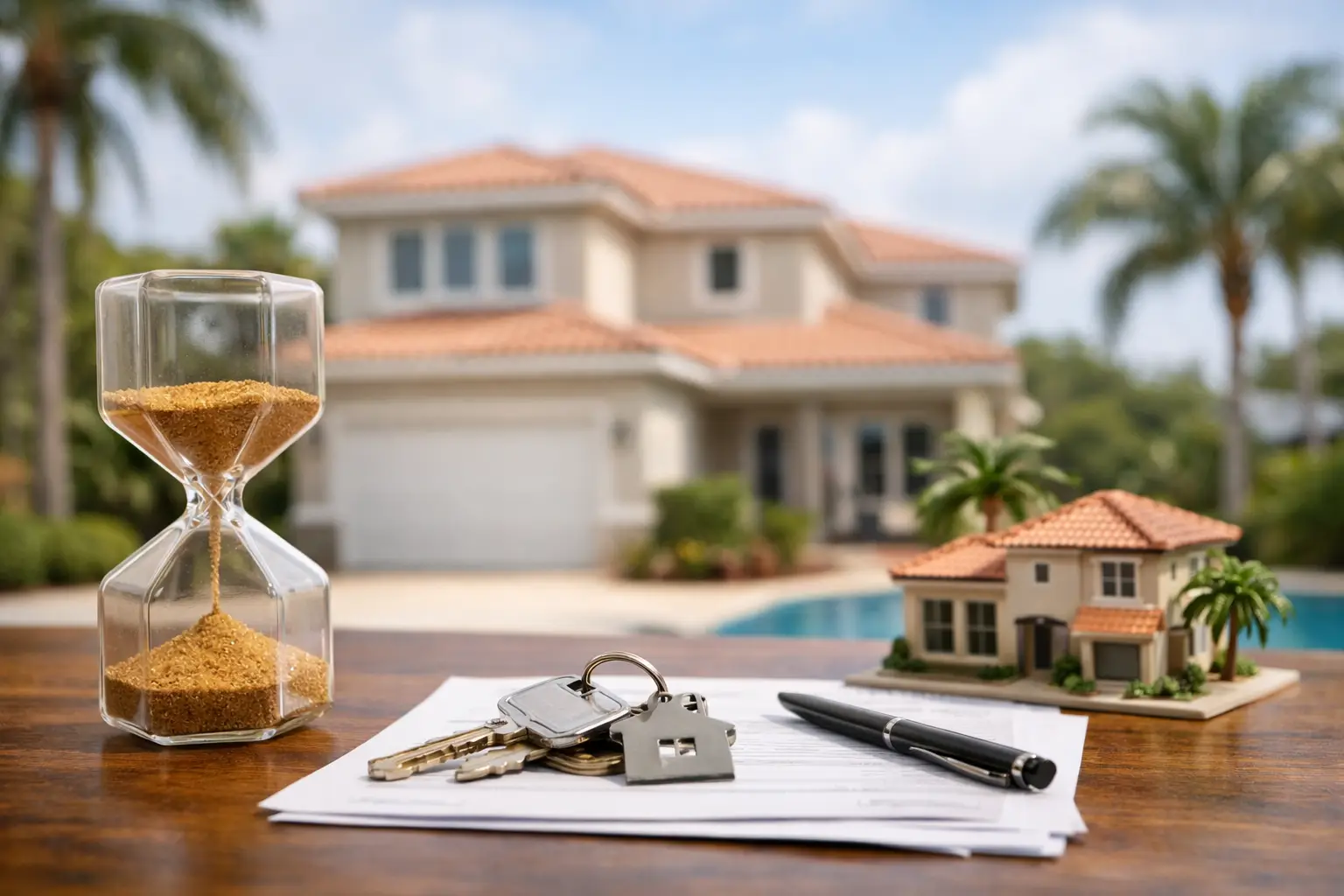
A house can appear on Friday, receive several offers by Sunday, and be under contract before the next workweek begins. That is why buyers often ask, how long does it take to buy a house in Florida? The short answer is usually 30 to 60 days after you have an accepted offer. But the complete process, from deciding to buy through receiving the keys, often takes two to six months.
For buyers in Palm Beach County and throughout South Florida, the timeline depends on more than the closing date. Your financing, search criteria, inspection findings, insurance needs, and the seller’s situation can all change the pace. A clear plan helps you move quickly when the right home comes along without feeling rushed into the wrong decision.
The Typical Florida Home-Buying Timeline
Most Florida purchases have two distinct phases: finding the home and closing on it. The search phase is the least predictable. A buyer who is flexible about neighborhood, home style, and move-in date may find a good fit within a few weekends. A buyer focused on a specific school zone, waterfront setting, gated community, or price point may need several months.
Once your offer is accepted, a financed purchase commonly closes in about 30 to 45 days. Cash purchases can sometimes close in as little as one to three weeks, especially when title work and inspections are straightforward. Still, a faster closing is not automatically a better one. Buyers should leave enough time to inspect the property, confirm insurance availability, review association documents when applicable, and make confident decisions.
Weeks 1-2: Preparation Before You Start Touring
The strongest buyers do a meaningful amount of work before seeing homes. This stage can take a few days or several weeks, depending on your readiness. Start by reviewing your budget, monthly payment comfort level, down payment funds, and expected closing costs.
If you plan to use a mortgage, getting pre-approved is a smart first step. A pre-approval gives you a clearer price range and shows sellers that a lender has reviewed your basic financial profile. It is different from a quick online estimate or pre-qualification. In a competitive South Florida market, a solid pre-approval can make your offer more credible.
This is also the time to identify your non-negotiables. Think beyond bedroom count. Your commute, flood zone, property condition, HOA rules, pet restrictions, parking, and future plans all matter. A local real estate professional can help you understand which preferences are realistic in the neighborhoods you are considering.
Weeks 2-12: Finding the Right Home
Home shopping may be fast, but it should not be careless. Some buyers find their home on the first day of touring. Others need time to compare locations and learn what their budget actually buys in areas such as West Palm Beach, Lake Worth Beach, Boynton Beach, Wellington, or nearby communities.
The pace of the market matters. When inventory is limited, well-priced homes may attract immediate attention. You may need to view new listings quickly and be ready to submit an offer the same day. When more homes are available, buyers may have more room to negotiate, but the best homes can still move fast.
A common mistake is waiting until the “perfect” property appears. Every home involves trade-offs. One may offer the ideal location but need cosmetic updates. Another may be move-in ready but have a longer commute. The goal is to find a home that works for your life, budget, and priorities, not one that checks every imaginable box.
How Long Does It Take to Buy a House in Florida After an Offer?
After a seller accepts your offer, the contract timeline begins. Florida contracts set deadlines for deposits, inspections, financing, appraisal, title review, and closing. Missing one can create unnecessary stress, so responsive communication between the buyer, agent, lender, title company, inspector, and insurance professional is essential.
The First 10 to 15 Days: Deposits, Inspections, and Due Diligence
Buyers generally make their escrow deposit shortly after the contract is signed. The exact deadline is stated in the contract, and it is important to meet it on time.
Next comes the inspection period. Many buyers schedule a general home inspection within the first few days of going under contract. Depending on the property, you may also need specialized inspections for roof condition, electrical systems, plumbing, mold, sewer lines, pool equipment, or a seawall. In South Florida, a wind mitigation inspection and a four-point inspection may be helpful or required for insurance, particularly for older homes.
Inspection findings do not necessarily mean the deal is falling apart. Nearly every home has items that need attention. The bigger question is whether the findings affect safety, insurability, major systems, or the true cost of ownership. Your agent can help you evaluate whether to move forward, request repairs or credits, renegotiate, or cancel within the protections provided by your contract.
Weeks 2-4: Loan Processing, Appraisal, and Insurance
If you are financing the purchase, your lender will collect updated documents and submit the file for underwriting. Be prepared to provide pay stubs, bank statements, tax documents, explanations for large deposits, and other items promptly. Even a small delay in sending paperwork can slow the process.
The lender usually orders an appraisal to confirm the property’s value supports the loan amount. If the appraisal comes in at or above the contract price, the transaction typically continues as planned. If it comes in low, the buyer and seller may need to renegotiate, the buyer may bring additional cash, or the parties may decide not to proceed, depending on the contract and financing terms.
Homeowners insurance is another major part of the Florida timeline. Insurance costs and eligibility can vary based on the home’s age, roof, location, prior claims, and windstorm exposure. Do not wait until the final week to request quotes. Getting insurance information early can prevent surprises and give you time to address any issues.
Weeks 3-6: Title Work, Final Approval, and Closing
While the lender handles the mortgage, the title company reviews public records and prepares the closing documents. The title review looks for issues such as unpaid liens, ownership questions, or other matters that must be resolved before ownership changes hands.
If you are purchasing in a condominium or homeowners association community, you may also review association documents, rules, fees, budgets, and any pending assessments. These details can affect both your monthly costs and your long-term enjoyment of the property. Condos can require extra lender and association review, which sometimes adds time.
Near closing, you will receive final figures showing your loan terms, cash needed to close, and closing costs. Schedule a final walk-through shortly before closing to make sure the property is in the agreed-upon condition and that any negotiated repairs have been completed. Once documents are signed and funds are delivered, the transaction records and you receive the keys.
What Can Speed Up or Delay Your Purchase?
The fastest transactions tend to involve prepared buyers, clean financing, realistic offers, responsive sellers, and properties with no inspection, title, appraisal, or insurance complications. Cash buyers may have fewer lending steps, but they still need to complete careful due diligence.
Delays are often manageable, but they are common enough to plan for. A lender may need more documentation. An appraisal may be delayed due to scheduling. An older roof may complicate insurance. A seller may need extra time to move out, or a title issue may require additional paperwork. In condo communities, association approval can also affect timing.
You can protect your timeline by keeping funds accessible, avoiding major credit purchases before closing, responding quickly to your lender, and scheduling inspections as soon as the contract is executed. It also helps to stay flexible with your moving plans until the closing is confirmed.
A Realistic Timeline for Palm Beach County Buyers
For many local buyers, a practical expectation is one to three months to find a home and another 30 to 45 days to close with financing. That puts the overall process around two to four months. If you are relocating, shopping in a highly specific area, selling another home first, or purchasing a property with insurance or repair concerns, six months is not unusual.
The timeline is not something you have to manage alone. Personalized guidance can keep small issues from becoming last-minute problems and help you make decisions with the neighborhood context they deserve. When you are ready to start, SellRentSouthFlaHomes can help you set a realistic plan, watch the right local opportunities, and move forward at a pace that feels informed and comfortable.
The right home is worth preparing for. A few thoughtful steps before you begin can make the days between your first showing and closing day feel far more manageable.
Leave a Reply